 English
 Deutsch
 Pусский
 Español
 Français
 Português
Why Weather Resistance Defines a Solar Harness That Lasts
Five Environmental Threats That Destroy Ordinary Solar Cables
Let’s look at each enemy separately. A harness that fails in one area is still a failure – and that failure usually means a service call, lost generation, and unhappy customers.
UV radiation – the silent plastic eater
Sunlight contains ultraviolet rays that break down polymer chains. This process, called photodegradation, happens slowly at first but accelerates over time. Without UV stabilizers, cable jackets turn chalky, then develop fine cracks. Those cracks let moisture in. Within a few years, the cable becomes brittle and can snap when handled. A true weather‑resistant harness uses UV‑stable compounds – often carbon black or specialized additives – that block or absorb damaging radiation.
High heat – the insulator softener
A dark rooftop can hit 70°C or more on a sunny summer afternoon. Standard PVC insulation softens at those temperatures. Soft insulation allows conductors to shift under their own weight or vibration. Shifting leads to thinning spots, then short circuits or ground faults. Heat‑resistant materials like XLPE (cross‑linked polyethylene) or other thermosetting compounds maintain their shape and electrical properties even at sustained high temperatures.
Freezing cold – the brittleness inducer
In cold climates, cheap insulation becomes stiff as a rod. At -20°C or lower, some plastics lose all flexibility. Vibration from wind, nearby machinery, or even thermal contraction can crack the jacket. A cracked jacket exposes the conductor to moisture and creates a potential arc path. Good solar harnesses use flexible compounds rated for low temperatures – some down to -40°C – that stay pliable and resist cracking.
Ozone – the surface cracker
Ozone is a highly reactive gas. It forms from electrical discharges (sparks, corona) and also from air pollution in smog. Ozone attacks rubber and many plastics, especially those containing double bonds. It causes fine surface cracks that grow over time under mechanical stress. This is particularly a problem near motors, transformers, or industrial zones. Ozone‑resistant compounds – such as EPDM or specially formulated polymers – prevent this type of degradation.
Humidity – the copper killer
Moisture is everywhere – rain, fog, morning dew, or just humid air. It seeps through tiny gaps in connectors or through jackets that have been damaged by UV or ozone. Once inside, moisture oxidizes copper. The oxide layer increases electrical resistance, which generates heat, which accelerates oxidation. This cycle continues until the conductor fails completely. Tinned copper strands stop this process because the tin layer oxidizes instead of the copper, and tin oxide is still conductive. Sealed connectors with IP67 or IP68 ratings keep moisture out entirely.
Quick Reference – How Each Threat Affects Performance
The table below summarizes the five threats, their effects, and the features that counter them.
| Threat | What it does | What a resistant harness needs |
|---|---|---|
| UV radiation | Chalking, cracking, loss of flexibility | UV‑stabilized jacket (carbon black or additive) |
| High heat | Softening, conductor movement | XLPE or cross‑linked insulation |
| Low cold | Stiffness, cracking under vibration | Flexible compound rated for low temperature |
| Ozone | Surface cracks, reduced dielectric strength | Ozone‑resistant polymer blend (e.g., EPDM) |
| Humidity | Copper corrosion, increased resistance | Tinned copper strands, sealed IP67/IP68 connectors |
Connectors Are Often the Weakest Link – Check Them Twice
A perfect cable is useless if the connector lets moisture in or if the contacts corrode. Many solar harness failures happen at the connection points, not along the cable length.
Sealed connectors keep water out
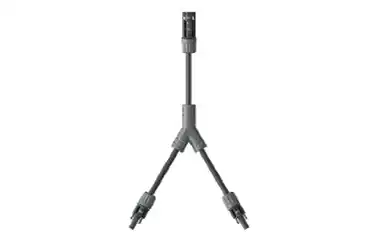
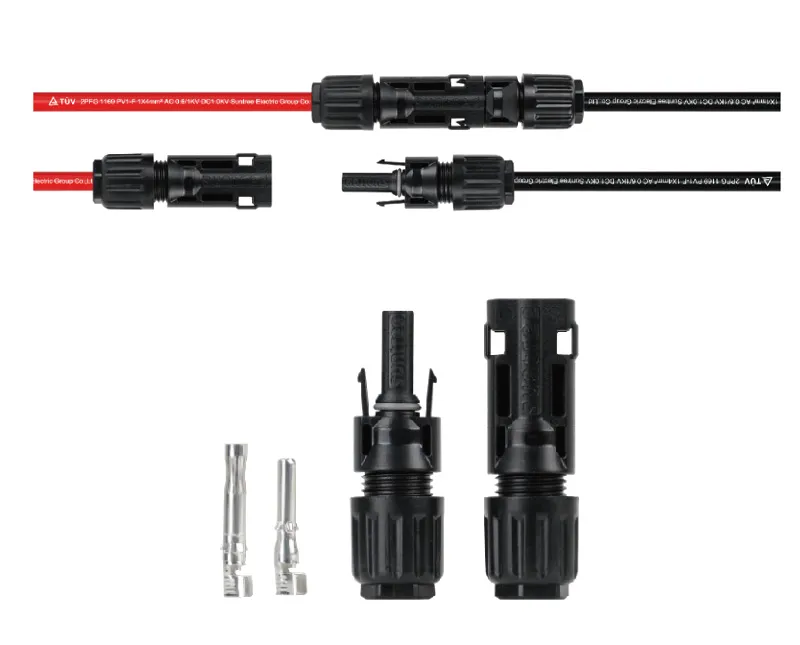
Look for IP67 (temporary immersion up to 1 meter for 30 minutes) or IP68 (continuous submersion) ratings. Many low‑cost harnesses skip these ratings, saving pennies per unit but causing failures after the first heavy rain or pressure washing. A proper solar harness uses sealed connectors with rubber gaskets and compression fittings.
Contact plating matters
Bare copper contacts oxidize within months in humid environments. Tin or gold plating resists corrosion and maintains low contact resistance for years. Some designs also include sealing gaskets at the cable entry point and silicone seals inside the connector housing. For coastal or industrial sites, gold‑plated contacts are worth the extra cost.
Where Do You Actually Need This Level of Protection?
Different installations face different combinations of threats. Here are the most common scenarios.
-
Residential rooftop systems – Compact harnesses, pre‑assembled for quick installation. UV and temperature swings are the main concerns. Humidity matters, but less than in coastal areas.
-
Commercial ground‑mount farms – Long cable runs, full sun exposure, high wind. Durability and mechanical strength are critical. UV and ozone are major factors.
-
Floating solar plants – Constant humidity, wave motion, potential for salt spray. Sealed connectors and corrosion resistance are non‑negotiable. Tinned copper is essential.
-
Off‑grid remote sites – No maintenance for years. Every component must survive without intervention. Low temperature and UV are often the key threats.
-
Agrivoltaic greenhouses – Exposure to fertilizers, cleaning chemicals, and high humidity. Chemical resistance in addition to weather resistance matters.
Each setting may require different lengths, connector types, or jacket thicknesses. A good supplier offers customization based on your site conditions.
A Quick Checklist for Evaluating a Solar Harness
Before you order, run through this list with the datasheet in hand.
-
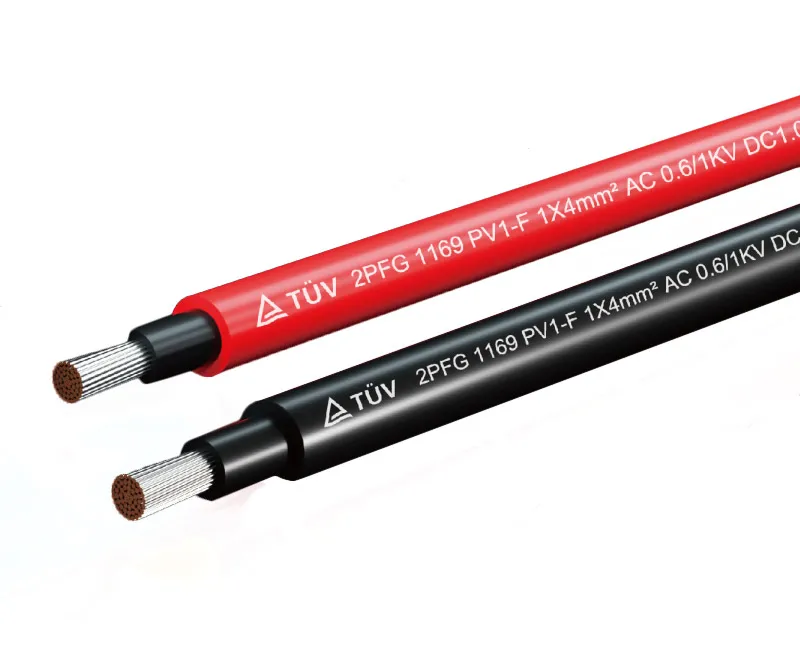
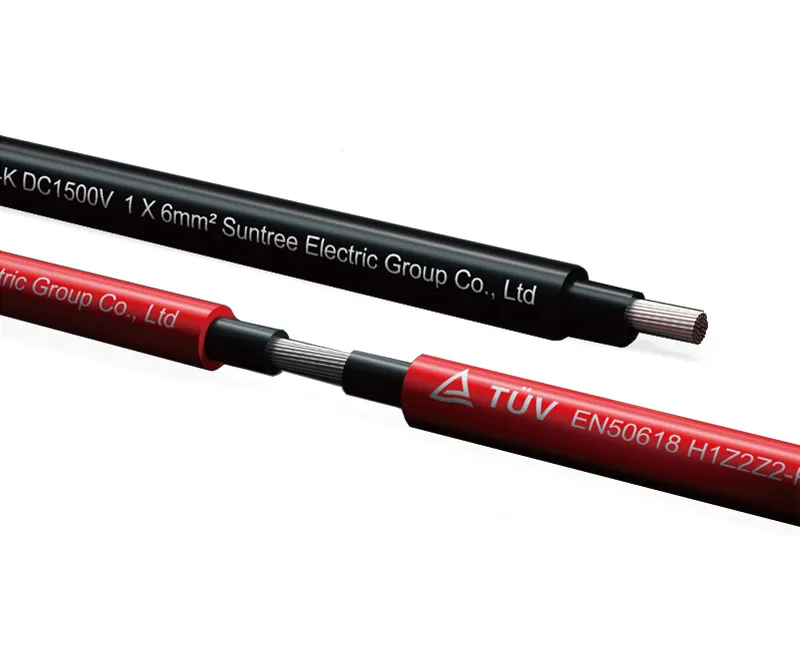
Does it specify UV resistance? Look for standards like UL 4703, EN 50618, or a clear statement of UV‑stabilized jacket.
-
Is the copper tinned or bare? If it says “bare copper” or leaves it unspecified, be cautious.
-
What is the connector IP rating? IP67 minimum for outdoor use. IP68 is better for wet or coastal sites.
-
Is the jacket material rated for your local temperature range? Check the minimum and maximum operating temperatures.
-
Does the manufacturer provide test reports from real environmental chambers – not just theoretical calculations?
What Real‑World Data Looks Like – One Supplier’s Track Record
SUNTREE has been manufacturing electrical conductors for nearly 20 years. Their approach combines in‑house R&D, advanced extrusion processes, and multiple coordinated production bases. Their published numbers:
-
50+ R&D engineers covering electrical, material, and mechanical disciplines
-
500+ projects in extreme environments worldwide (deserts, arctic sites, offshore, industrial zones)
-
300+ patents and certifications, including ISO 9001:2015
-
Digital traceability across the entire supply chain – every batch can be tracked
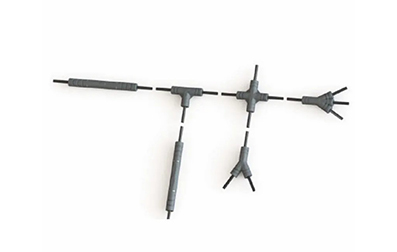
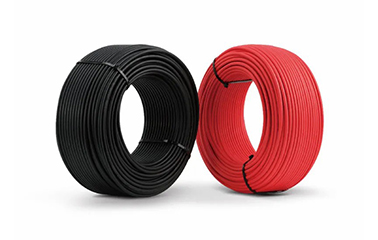
Their solar harnesses are designed to withstand high and low temperatures, UV radiation, ozone, humidity, and other natural factors. For procurement teams and engineers, that track record means fewer field failures and lower total cost of ownership over the system’s 20‑plus year life.
Making the Right Choice for Your Project
A cheap harness might save a few dollars per meter at the time of purchase. But if it fails after two summers, the replacement cost includes labor, shipping, downtime, and lost energy generation. Those costs often exceed the original savings by a large margin.
Investing in a properly weather‑resistant harness from an experienced manufacturer is usually the more economical decision over the system’s lifetime. The upfront premium is small compared to the risk of a mid‑life failure.
Getting the Technical Details
For engineers and buyers planning solar projects – from small residential to utility‑scale – reviewing detailed specifications and discussing environmental requirements with a manufacturer is the next logical step. A good supplier will provide test reports, sample data, and guidance on connector choices.