 English
 Deutsch
 Pусский
 Español
 Français
 Português
What is the Lifespan of PV Wire and What Affects It


You’ve invested in a solar plant designed to operate for 25 years or more. But have you thought about the cables that connect everything together? The lifespan of your Solar Wire / Cable is a critical factor in the long-term performance and safety of your PV system.
Manufacturers typically rate quality PV wire for 25 years or more. Suntree‘s solar cables, for example, are designed for an expected service life of more than 25 years under normal use and maintenance. In real-world field conditions, however, significant aging often begins to show at 15-20 years. It’s important to distinguish between the conductor itself, which has a nearly indefinite lifespan, and the insulation, which is vulnerable to environmental factors.
Understanding what causes that insulation to degrade is the first step in preventing premature failure. This guide covers the main aging factors—UV radiation, thermal stress, mechanical damage, and chemical attack—plus the signs that your cable needs replacement and practical preventive measures.
Typical Expected Lifespan for Quality PV Wire
Quality solar cables are built to last, but what does “last” actually mean in practice?
Manufacturer Ratings vs. Field Reality
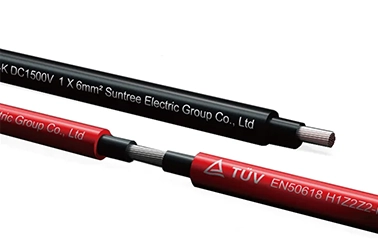
Suntree‘s solar cables are designed for an expected service life of more than 25 years under normal use and maintenance. The cables are tested to meet international standards including EN 50618 and IEC 62930, with a conductor maximum temperature of 120°C and a bending radius of 4D.
The Conductor vs. Insulation Distinction
The tinned copper conductor itself has a nearly indefinite lifespan. Copper doesn’t degrade over time in the same way insulation does. The limiting factor is always the insulation and sheath materials. These are subject to UV, temperature, mechanical stress, and chemical attack. When the insulation fails, the cable fails—regardless of the conductor‘s condition.
What Quality Construction Looks Like
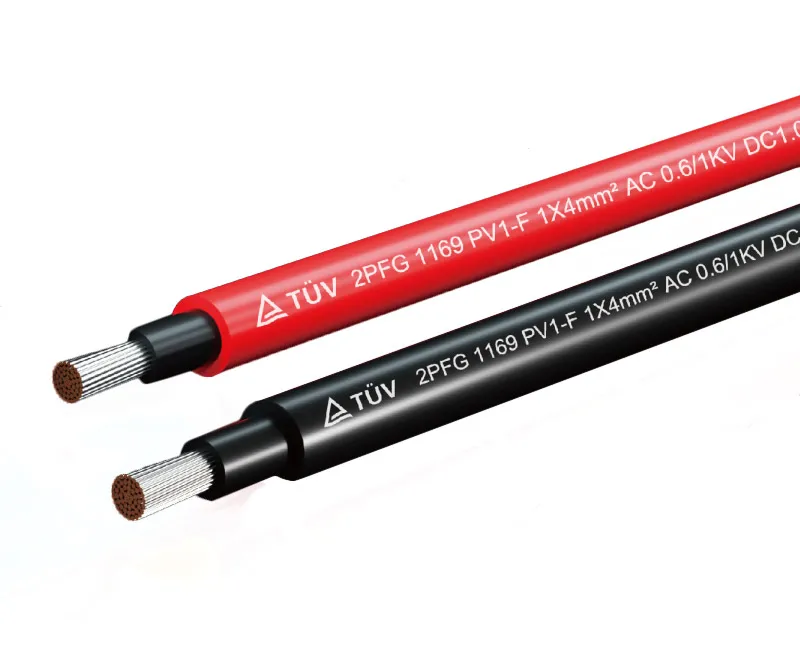
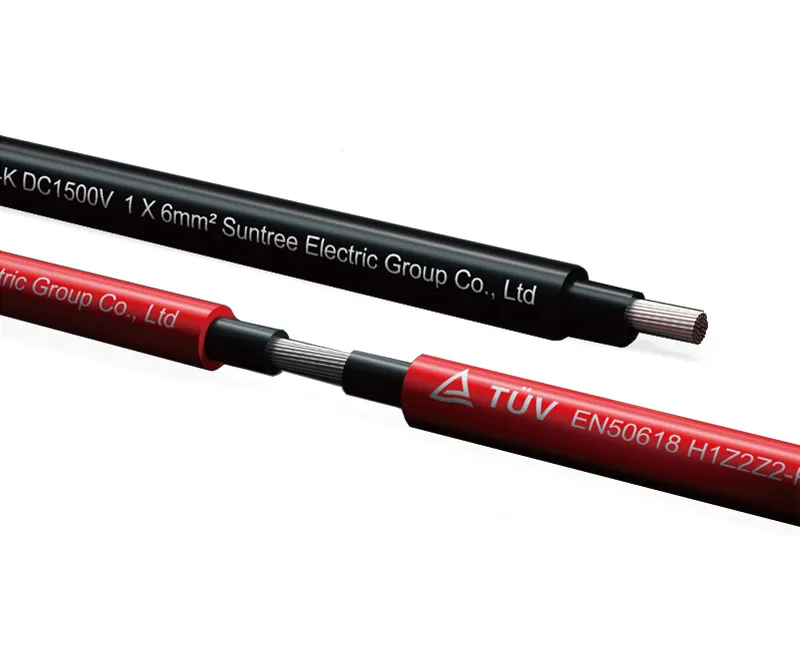
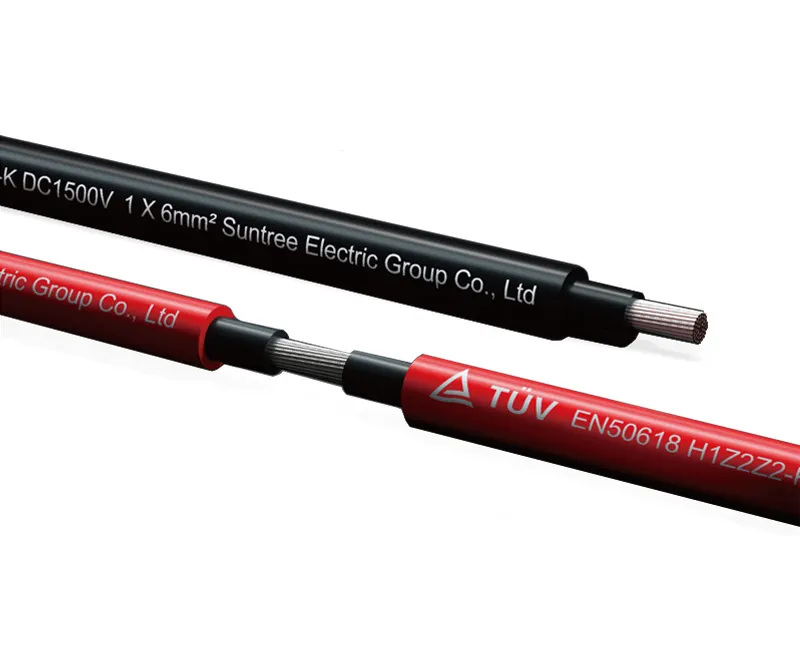
A quality solar cable uses a Type 5 tinned copper flexible conductor, with irradiation cross-linked low-smoke halogen-free flame-retardant polyolefin for both insulation and sheath. This material combination provides the weather resistance, thermal stability, and long service life that PV systems require. The cable is rated for a conductor maximum temperature of 120°C, which provides a significant safety margin for normal operation.
UV Radiation – The Biggest Enemy of Solar Cables
Sunlight makes your solar plant work, but it’s also the primary threat to the cables that carry the power.
How UV Degrades Insulation
Ultraviolet radiation breaks down the molecular structure of insulation materials. Cross-linked polyolefin, while more UV-resistant than many alternatives, still degrades over time when exposed to direct sunlight. The outer sheath becomes brittle, and micro-cracks develop that can allow moisture ingress.
Where the Risk Is Highest
Cables on rooftops, exposed sections without conduit, and wiring in open racking systems are most vulnerable. Suntree‘s cables are Weather/UV Resistant in accordance with EN 50289-4-17 and EN ISO 4892, meaning they’ve been tested for UV exposure. But even UV-rated cables will degrade faster when constantly exposed to direct sunlight than when protected.
What UV Resistance Means in Practice
UV resistance isn‘t a yes/no property—it’s a matter of degree. Standards like EN 50289-4-17 specify UV exposure testing, but actual field performance depends on the specific formulation of the insulation material. The cross-linked polyolefin used in quality solar cables is formulated to resist UV degradation, but it‘s not invincible. Regular inspection of exposed cable runs is essential.
Thermal Stress and Temperature Cycling
Heat and temperature changes are the second major cause of insulation degradation, and they work hand-in-hand with UV exposure.
High-Temperature Oxidation
High temperatures accelerate the oxidation process in insulation materials. The cable’s maximum conductor temperature of 120°C provides a substantial operating margin, but sustained high temperatures still accelerate aging. The ambient temperature range for Suntree‘s cables is -40°C to +90°C, which covers most installation environments—but actual temperatures on a rooftop or in a desert can approach these limits.
The Cycling Effect
Day and night temperature swings cause constant expansion and contraction of both the conductor and insulation. Over time, this creates micro-cracks that grow larger. In desert regions where ground temperatures can reach 60°C or more, this cycling is particularly aggressive.
Temperature-Related Standards
The cable is designed for a maximum conductor temperature of 120°C, which provides a significant safety margin. The insulation material is irradiation cross-linked, which gives it better thermal stability than non-cross-linked alternatives.
| Temperature Parameter | Specification |
|---|---|
| Ambient Temperature Range | -40°C to +90°C |
| Conductor Maximum Temperature | 120°C |
| Rated Voltage | U0/U 1.0/1.0KV (AC), 1500V (DC) |
| Test Voltage | AC 6.5KV/5min or DC 15KV/5min without breakdown |
| Bending Radius | 4D |
Mechanical Abuse and Installation Damage
Installation quality directly affects cable lifespan. What happens during installation often determines how long the cable will last.
Pulling Tension Damage
Excessive pulling during installation can stretch the conductor and compromise the insulation. Internal conductor damage may not be visible, but it creates hot spots and increases resistance. The bending radius of 4D is a minimum specification—exceeding it stresses the cable unnecessarily.
Abrasion Against Sharp Edges
Metal edges on racking, cable trays, and equipment housings can rub against cable sheaths over time. Even a small nick in the insulation can allow moisture ingress and lead to failure. During installation, avoid contact with sharp edges, and use protective grommets where cables pass through metal surfaces.
Vibration and Wind
Tracking systems and roof-mounted arrays experience constant vibration and wind-induced movement. This mechanical fatigue can cause the insulation to crack, especially at connection points where the cable is fixed and movement is concentrated. The cable‘s flexible conductor design helps, but mechanical protection is still necessary.
Chemical and Environmental Attack
Beyond UV and heat, chemical exposure can significantly shorten cable life. Quality solar cables are designed to resist many of these threats.
Salt Spray – The Coastal Challenge
For installations near coastlines, salt spray is a serious threat. Salt can penetrate micro-cracks and accelerate corrosion of the conductor. Suntree’s cables are tested to IEC 61034 for salt mist emission, meaning they‘re designed to resist salt exposure. But even salt-resistant cables need regular inspection in coastal environments.
Ozone and Pollutants
Ozone generated by electrical equipment and industrial pollutants can attack insulation. The cable’s halogen-free, low-smoke polyolefin insulation is ozone-resistant, but the resistance isn‘t infinite. In urban or industrial areas with high ozone levels, the cable will degrade faster.
Hydrolysis and Moisture Resistance
The cable is hydrolysis-resistant, meaning it can withstand exposure to moisture without the insulation breaking down. This is critical for outdoor installations that experience rain, humidity, and condensation. The moisture resistance helps maintain electrical performance over the cable’s lifespan.
Signs That Your PV Wire Needs Replacement
Knowing when to replace aging cable is critical for preventing failures.
Visual Inspection
The first line of defense is visual inspection. Look for surface cracking, hardening, discoloration, or any visible damage. Cracks in the insulation are the most obvious sign. If the cable feels stiff or brittle when handled, degradation has already started. Suntree recommends regular checking of the appearance of the cables to ensure normal operation.
Electrical Testing
Insulation resistance testing can detect degradation before it becomes visible. A significant drop in insulation resistance indicates that the insulation has been compromised. The cable‘s rated test voltage of AC 6.5KV/5min or DC 15KV/5min provides a baseline—if the cable fails to meet this, replacement is needed.
Physical Feel
When bending the cable, listen for cracking sounds. If you hear small cracks when flexing the cable, that’s a sign that the insulation has become brittle and is no longer flexible. This is a clear indicator that replacement is needed soon.
Questions O&M Managers Ask
Can I extend the life of aging PV wire by adding conduit?
Yes, adding conduit to existing exposed cable runs can protect cables from further UV damage and mechanical stress. However, it doesn‘t reverse existing degradation. If the cable already shows signs of embrittlement or cracking, it should be replaced even if you add conduit. Suntree’s cables are UV-resistant, but protection always helps.
Does thicker insulation always mean longer life?
Not necessarily. The formulation of the material matters more than the thickness. A cable with high-quality, cross-linked insulation will outlast a cable with poor-quality insulation, regardless of thickness. Suntree‘s cables use irradiation cross-linked low-smoke halogen-free flame retardant polyolefin, which provides excellent thermal stability and UV resistance.
How can I test the remaining life of installed solar cable?
The most practical method is insulation resistance testing combined with visual inspection. Compare test results against baseline readings from when the cable was new. A significant drop in insulation resistance indicates degradation. The cable’s compliance with standards like EN 50618 and IEC 62930 provides a benchmark for expected performance. For more detailed analysis, a field sample can be sent to a lab for thermal analysis or mechanical testing.
Preventive Measures – Protecting Your Cable Investment
Prevention is always cheaper than replacement. A proactive maintenance program can extend cable life significantly.
Regular Inspection Schedule
Implement a regular inspection program for your solar plant. Visual inspections should be conducted at least annually, focusing on exposed cable sections, connection points, and areas where cables are routed around metal edges. Suntree recommends checking the connecting parts and the appearance of the cables on a regular basis to ensure normal operation.
Use UV-Protective Measures
For cables in direct sunlight, consider adding UV-protective sleeves or conduit in high-exposure areas. Suntree‘s cables are Weather/UV Resistant in accordance with EN 50289-4-17 and EN ISO 4892, but protection can significantly extend service life. This is particularly important for cables on rooftops, which are often fully exposed to the sun.
Avoid Sharp Contact Points
Ensure cables are not in direct contact with sharp metal edges. Use grommets, bushings, or protective wraps where cables pass through or over metal surfaces. This simple step prevents mechanical damage that can lead to premature failure. When installing cables, follow the recommended bending radius of 4D to avoid unnecessary stress.
Documentation and Record-Keeping
Keep records of cable installation dates, inspection results, and any maintenance performed. This helps you track degradation over time and plan for replacement before failures occur. For large solar plants, a database or spreadsheet tracking cable sections can be a valuable management tool.
When selecting solar cable for a new installation or replacement, Suntree offers TUV Single Core Solar Cable certified to EN50618 and IEC62930 standards. With nearly 20 years of industry experience, Suntree has delivered over 500 large-scale projects worldwide. Their cables feature tinned copper flexible conductors with irradiation cross-linked insulation, providing UV, ozone, and hydrolysis resistance. The expected service life is more than 25 years under normal use and maintenance, backed by rigorous testing and full-process quality control.
When planning your O&M budget, factor in cable replacement as a long-term cost. Preventive maintenance and quality cable selection are the most effective ways to ensure your solar plant operates safely and efficiently for its full intended lifespan. Regular inspection, proper installation, and attention to environmental factors will help your cables reach—and potentially exceed—their 25-year design life.
Ready to evaluate solar cable options for your PV plant? Reach out to Suntree’s team—they can provide technical data, certifications, and free samples to support your selection process.
-0943.webp)