 English
 Deutsch
 Pусский
 Español
 Français
 Português
How Does Water Get Into a Solar Connector and How to Stop It?


You’ve installed a PV system with IP68-rated solar connectors, expecting decades of trouble-free performance. Then the inverter starts reporting ground faults. You open a connection and find green corrosion on the contacts. Water got in.
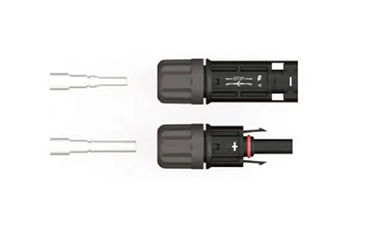
Water ingress is the second leading cause of connector failure in solar installations—and it‘s entirely preventable. A Solar Connector is only as good as its installation. The PMCN Series from Suntree features IP68 water-proof rating, high-quality weather-resistant materials, and patented technologies including copper-aluminum transition composite process parts. But even the best connector can fail if assembled incorrectly or exposed to conditions that trap moisture.
This guide covers how water gets into a supposedly sealed connector, the damage it causes, proper assembly techniques, field inspection methods, and remediation steps.
How Water Gets Into a Supposedly Sealed Connector
An IP68 rating doesn‘t guarantee protection if the connector is assembled incorrectly. Water finds its way in through several common pathways.
Misinstalled or Missing O-Ring
The O-ring is the primary seal between the male and female connector halves. If it’s pinched, rolled, or missing entirely during assembly, water has a direct path into the contact chamber. The PMCN Series uses high-quality weather-resistant materials, but even the best seal requires proper installation.
Incomplete Mating
If the connector isn’t fully engaged, a gap remains between the housings. This gap compromises the IP rating and allows moisture to enter. A properly mated connector should produce an audible click and the locking latch should be visibly engaged.
Cable Gland and Strain Relief Issues
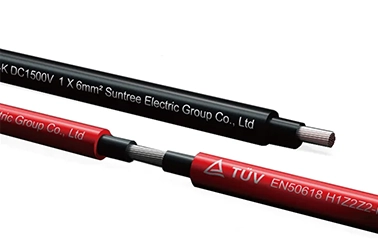
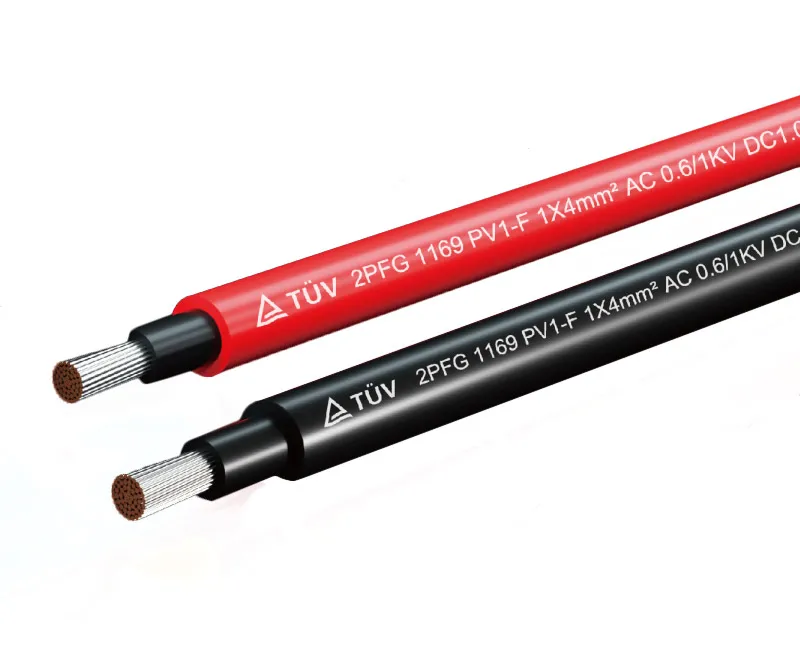
The cable gland seals around the cable insulation. If the cable diameter is too small for the gland, or if the gland isn‘t tightened enough, water can travel along the cable and into the connector. The PMCN connectors support 6.0mm² to 16mm² aluminum alloy cables. Using the correct cable size and properly tightening the gland prevents this pathway.
Thermal Cycling – The Pumping Effect
Day and night temperature changes cause the air inside the connector to expand and contract. This pumping action can draw moisture through microscopic gaps if the seal isn’t perfect. Connectors with adhesive sealing processes, like the PMCN Series, provide additional protection against this effect.
The Damage Caused by Moisture
Once water enters a solar connector, the damage progresses through several stages.
Copper Corrosion and Increased Contact Resistance
Moisture oxidizes the copper contacts, creating a layer of corrosion that increases electrical resistance. Higher resistance means more heat generation, which accelerates further degradation. The PMCN Series features lower contact resistance and higher current transfer capability to ensure high product efficiency, but corrosion can undermine these benefits.
Electrolytic Corrosion and Plastic Carbonization
In the presence of moisture and DC voltage, electrolytic corrosion can occur. This process can carbonize the plastic housing, creating conductive paths that lead to insulation failure. The housing material is designed for weather resistance, but prolonged moisture exposure can still cause damage.
Insulation Resistance Drop and Inverter Alarms
As moisture accumulates, the insulation resistance between the conductor and ground drops. When it falls below the inverter‘s threshold, the system triggers a ground fault alarm. In severe cases, the leakage current can trip RCDs or create an electric shock hazard.
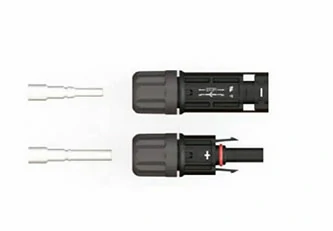
Proper Assembly Techniques to Block Water
Prevention starts with correct installation. Following these practices keeps water out.
Inspect the O-Ring Before Assembly
Before mating the connector halves, inspect the O-ring for deformation, cuts, or debris. Replace it if damaged. The seal should sit flat in its groove without twisting. This simple check takes seconds and prevents most water ingress issues.
Fully Mate and Lock the Connector
Push the connector halves together until you hear a distinct click. Visually confirm that the locking latch is fully engaged. If you can separate the halves without pressing the latch, the connection isn‘t secure. The PMCN Series is designed with snap-in locking housings that provide a reliable seal.
Match Cable Diameter to the Gland
Use the correct cable size for the connector. The PMCN connectors are rated for 6.0mm² to 16mm² cables. If the cable is too small, the gland won’t seal properly. Apply dielectric grease to the seal and around the pin to provide an additional moisture barrier.
Use Adhesive Sealing Where Specified
Some connector systems include adhesive sealing as part of the assembly process. The PMCN Series uses patented adhesive sealing technology. Following the manufacturer‘s adhesive application instructions provides an extra layer of protection against water ingress.
Field Inspection for Early Signs of Water Ingress
Regular inspection catches problems before they cause system failures.
Visual Inspection for Corrosion Residue
Look inside the connector for white or green powder on the contacts. These are signs of corrosion. If you see them, moisture has already entered. The PMCN Series uses high-quality materials that resist corrosion, but any connector can fail if the seal is compromised.
Measure Insulation Resistance After Rain
After heavy rain, use an insulation resistance tester to measure the resistance between the conductor and ground. A significant drop indicates moisture ingress. This test is particularly important for ground-mount systems where connectors are exposed to standing water.
Check for Unusual Heat
A connector that‘s warmer than others in the same array may have increased resistance from corrosion. Use a thermal camera or touch the connector housing (with appropriate safety precautions). Suntree’s connectors are designed with lower contact resistance for high efficiency, but corrosion can create hot spots.
What to Do When Water Is Found
If you find moisture in a connector, take immediate action based on the severity.
Mild Moisture – Clean and Dry
If the connector has light condensation or slight discoloration, disassemble, dry the contacts thoroughly, clean with electrical contact cleaner, and reinstall with a new O-ring. Apply dielectric grease before reassembly.
Moderate Corrosion – Replace Affected Parts
If the contacts show visible corrosion but the housing is intact, replace the contacts and the O-ring. Clean the housing interior with contact cleaner. The PMCN Series supports field-replaceable contacts, making this repair practical.
Severe Corrosion – Replace the Entire Connector
If the housing is carbonized, cracked, or the corrosion is extensive, cut the connector off and install a new one. Don‘t attempt to repair a severely degraded connector—it will fail again. Suntree’s connectors are designed for long-term reliability, but severe damage requires replacement.
| Water Ingress Severity | Signs | Action |
|---|---|---|
| Mild | Light condensation, slight discoloration | Clean, dry, replace O-ring, apply dielectric grease |
| Moderate | Visible green/white powder on contacts | Replace contacts and O-ring, clean housing |
| Severe | Carbonized housing, extensive corrosion, heat damage | Cut and replace entire connector |
Questions Field Engineers Ask
Can I use silicone sealant on the outside of a solar connector?
Not recommended. Silicone sealant can trap moisture inside the connector, preventing it from drying out. It also makes future inspection and maintenance difficult. The connector‘s sealing system—O-ring, cable gland, and locking mechanism—is designed to provide the necessary protection without additional sealant. Some connector systems, including the PMCN Series, use adhesive sealing processes during assembly, but this is a controlled manufacturing process, not a field-applied fix.
Is IP68 rating enough to guarantee no water ingress for 20 years?
No. An IP68 rating indicates the connector can withstand immersion under specified conditions when properly assembled. It does not guarantee protection against installation errors, thermal cycling, UV degradation, or mechanical damage. The PMCN Series features IP68 water-proof rating and weather-resistant materials, but long-term protection requires proper installation and regular inspection.
How often should connectors be opened for moisture inspection?
For most installations, inspect connectors annually, with additional inspections after extreme weather events (heavy rain, storms, flooding). For systems in high-humidity coastal areas or regions with frequent temperature cycling, consider semi-annual inspections. Suntree’s connectors are designed for long-term reliability, but regular inspection catches problems early.
Building a Waterproof Connector Program
A systematic approach to connector management prevents water ingress across your entire installation.
Receiving Inspection
When connectors arrive on site, inspect the O-rings and housings for damage before installation. Reject any components with visible defects. This prevents using compromised parts that will fail in the field. Suntree’s connectors are manufactured with rigorous quality control, but shipping damage can occur.
Installer Training
Ensure all installers are trained on proper connector assembly techniques. Common mistakes—incomplete mating, pinched O-rings, incorrect cable stripping length—are preventable with proper training.
Documentation and Tracking
Maintain a log of connector installations, including the date, installer, connector type, and cable size. This documentation helps track potential issues and identify patterns. Suntree’s connectors have undergone long-term practice and rigorous environmental testing, providing a reliable baseline for tracking performance.
Suntree is a globally trusted new energy cable expert with nearly 20 years of industry experience. The PMCN Series 1500V DC PV Connector uses high-quality weather-resistant materials that guarantee long-term reliability. Rated for IEC 1500V & UL1500V with IP68 water-proof rating, the connectors operate in temperatures from -40°C to 125°C. The PMCN connectors match 6.0mm² to 16mm² aluminum alloy cables with lower contact resistance and higher current transfer capability. Suntree’s full-process quality control ensures every connector possesses excellent electrical performance and environmental compliance through rigorous supply chain screening and material standard control.
Water ingress in solar connectors is preventable. By understanding how water enters, following proper assembly techniques, conducting regular inspections, and addressing problems early, you can ensure your connectors provide reliable service for the life of your PV system. Suntree’s PMCN Series combines IP68 protection, weather-resistant materials, and patented technologies to deliver the reliability that solar installations demand.
Ready to improve your solar connector installation and maintenance program? Reach out to Suntree’s technical team—they can provide connector assembly training, inspection guidance, and product specifications for your PV projects.