 English
 Deutsch
 Pусский
 Español
 Français
 Português
Which Cable Cross-Section Fits the SH Branch Solar Harness Between String and Inverter?


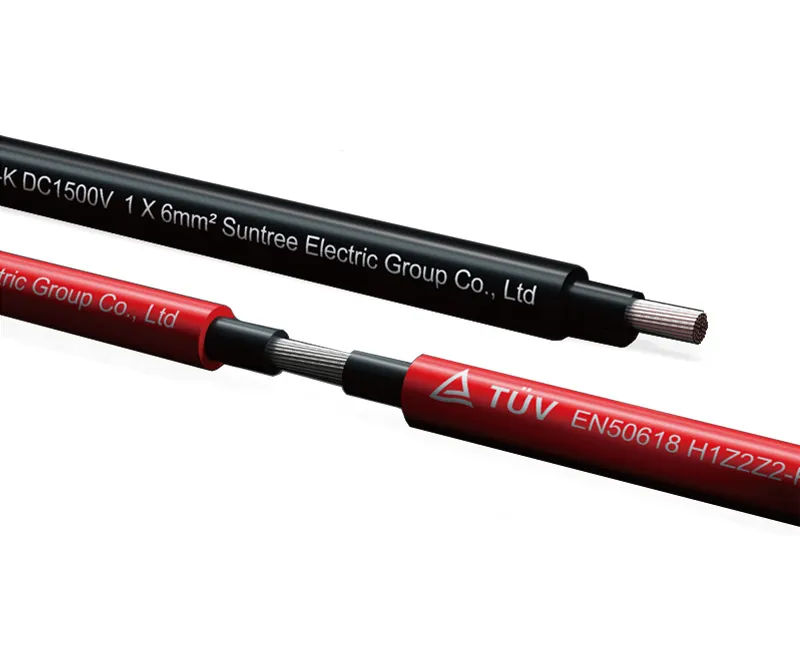
When several PV strings feed one inverter input, a pre-assembled branch harness merges the string cables at a sealed confluence point instead of leaving the join to field-made connections. The branch body carries the cable gauge, connector interface, and weather sealing that hold the DC circuit together across the array. Solar Harness branch lines built on the SH series run 4-16mm² cable at 1500V DC, with the ratings, topology shapes, and environmental protection set out below.
What the Branch Harness Covers
Which Cable Sizes Does the Branch Harness Accept?
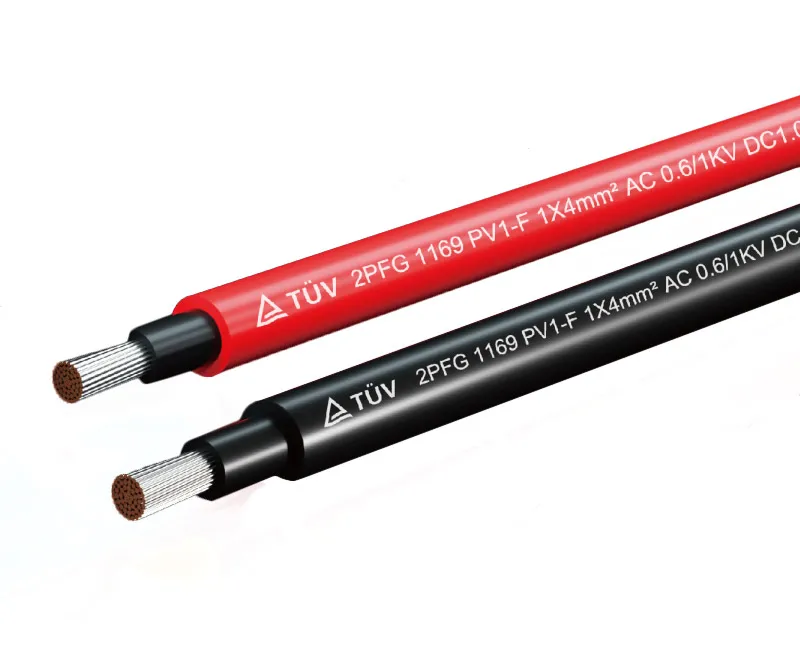
The SH-Y, SH-X, and SH-T branch variants accept cable in the 4mm² to 16mm² range. That window covers the common PV string conductors used between modules and the inverter input, and the gauge is matched to the string current, cable length, and voltage drop on the project. The branch shape and conductor size should be confirmed together, since the confluence layout decides how many inputs join the single output.
What Voltage and Current Ratings Apply?
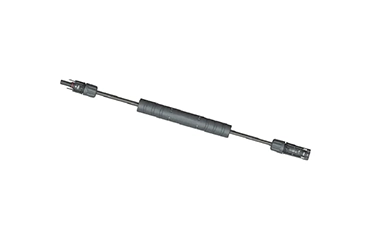
The branch line runs at a DC 1500V system voltage, qualified to both IEC 1500V and UL 1500V. Current ratings differ by variant: the SH series lists a maximum rated current of 50A, the Y branch lists a maximum of 70A, and the 2-to-1 inline fuse unit carries a maximum of 32A×2. The rating selected for an order should match the string current and the protection scheme rather than the highest figure in the range.
How Does the Harness Hold Up Outdoors?
The harnesses carry an IP68 waterproof rating and a UV resistant function, and the line withstands high and low temperatures, UV radiation, ozone, humidity, and other natural factors. The listed operating temperature range runs from -40°C to 85°C, which covers cold-climate arrays and hot-roof or open-field installations. The sealed branch body keeps moisture and contamination out of the confluence point through the outdoor service life.
How the Branch Topology Merges Strings Into One Output
Y, X, and T Confluence Layouts
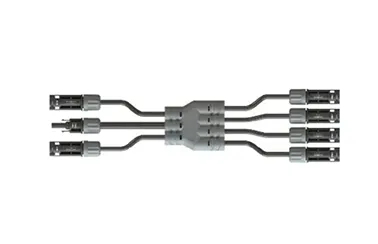
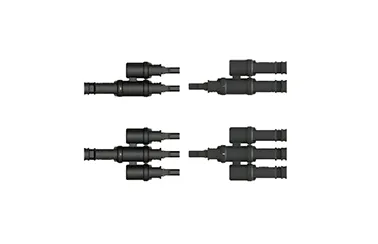
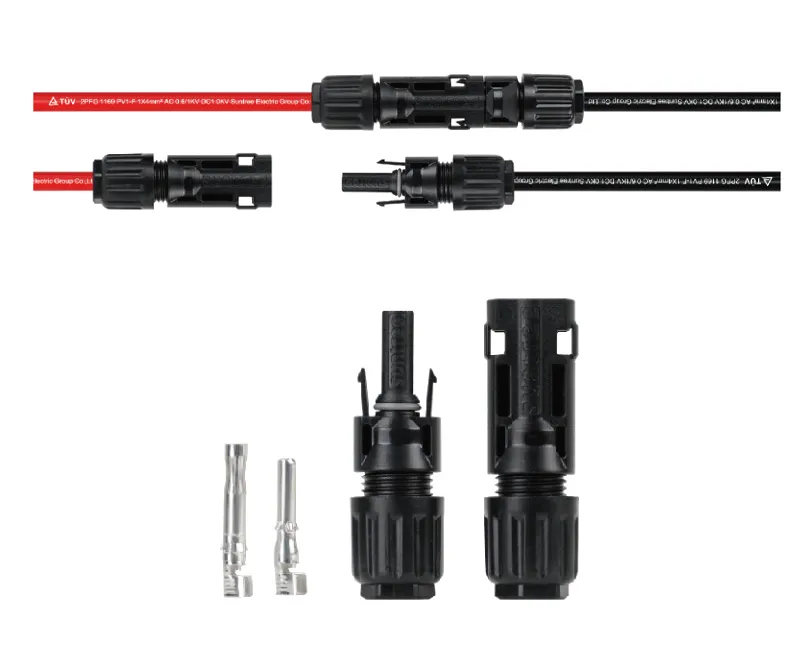
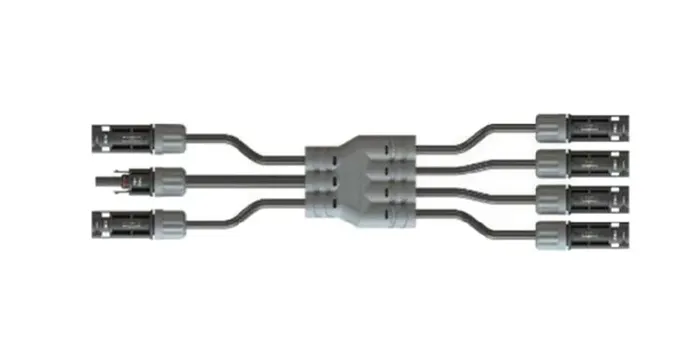
The catalog offers several branch shapes for different string layouts: a Y branch splits one output into two inputs, an X branch crosses four connections at one body, and a T branch joins two horizontal feeds to a vertical drop. The pre-assembled harness brings the connectors, cable, and branch body together at the factory, which cuts field wiring time at the array and keeps the contact interface consistent across every confluence point. Lower contact resistance and higher current transfer capability support efficient power delivery from the strings to the inverter.
Where the Harness Sits Across the Renewable System
PV String Confluence
The primary use is photovoltaic string confluence, where module strings combine into the inverter input feed. The branch harness sits between the string cables and the inverter-side run, carrying the merged DC circuit through the array layout. The 1500V system voltage and sealed rating match utility-scale and commercial PV arrays built on the higher-voltage DC architecture.
Storage, EV Charging, and Automation Feeds
Beyond PV arrays, the cable solutions serve renewable energy, energy storage, electric vehicle charging, and industrial automation projects. The same conductor, sealing, and testing approach carries DC and low-voltage feeds in those adjacent systems, and the project database covers typical extreme environments worldwide. A 350kW PV project in Romania is listed among the delivered large-scale installations.
What the Conductor and Protection Design Provide
Copper Core, Low Resistance, and Fault Protection
The conductive path uses high-purity copper cores, which give good electrical conductivity and significantly lower resistance, reducing energy loss during transmission. The harnesses carry high mechanical strength and withstand certain mechanical stresses such as tension, pressure, and bending during installation and maintenance. The fault protection design covers over-current, over-voltage, and under-voltage functions, and the connector interfaces are designed around the electrical characteristics of mainstream equipment on the market for seamless system integration.
The SH Branch Harness Specification at a Glance
What the Product Page Lists Up Front
The table groups the product line, cable gauge, voltage, current, sealing, temperature range, materials, and certifications exactly as listed, so a buyer can match the branch to the project before an enquiry.
| Item | Detail |
|---|---|
| Product line | SH series photovoltaic branch harness |
| Product image name | SH-6B1 Branch |
| Cable spec | 4mm²~16mm² |
| Rated system voltage | DC 1500V (IEC 1500V / UL 1500V) |
| Rated current | SH series max 50A; Y branch max 70A; fuse unit max 32A×2 |
| Waterproof rating | IP68 |
| Operating temperature | -40°C to 85°C |
| Environmental features | UV resistant; halogen-free; ozone, humidity, temperature resistant |
| Certifications | TUV & ETL qualified; IEC1500V and UL1500V |
What Certifications and Material Controls Apply
The SH series was qualified in TUV and ETL labs against solar professional standards and has passed both IEC1500V and UL1500V certifications. Quality control uses fully halogen-free materials, selects environmentally certified suppliers, and limits lead, cadmium, and other heavy metals. An independent safety testing process applies international safety standards, multiple extreme-environment simulation tests, and a digital traceability system that keeps supply-chain data accessible in real time.
How Samples, Support, and Project Matching Move
Samples, Response, and Project Database
Free samples are provided to support physical verification and reduce selection and technical risk, and a 24/7 technical support network responds to critical project issues. The factory brings nearly 20 years of industry experience, a 50-plus-person technical R&D team, and a matching database of more than 500 projects to bear on complex operating conditions. Project matching uses that database to reference prior arrays, storage sites, and charging or automation feeds with similar environmental and electrical requirements.
Suntree, the Harness, and the Enquiry
What the Manufacturer Supplies
Suntree Cable supplies the SH-6B1 Branch as part of its SUNTREE Power solar harness range, alongside Y, X, and T branch harnesses and the 2-to-1 inline fuse branch unit. The catalog covers photovoltaic branch harnesses for renewable energy, energy storage, EV charging, and industrial automation, backed by the full-process material control, safety inspection, and traceability systems described above.
What to Send With the Enquiry
Send these so the branch shape, gauge, and rating can be matched on the first pass:
- Branch topology required: Y, X, T, or 2-to-1 fuse arrangement for the confluence layout.
- Cable gauge: the 4-16mm² conductor size used on the string or feed circuit.
- System voltage and expected current, including whether fuse protection is needed at the branch.
- Project type and installation environment: open-field PV, rooftop array, storage, charging, or automation.
- Order quantity, target market, and any connector interface or certification documentation required.
A Solar Harness order is settled by the branch shape and cable gauge first, so those two details narrow the configuration before current rating, sealing, and project documentation are worked out.
Send the Branch Shape and the Cable Gauge
What to Put in the Message
Put the branch arrangement, the cable gauge, and the expected string current in the first note. Those three decide the quote basis; certification, samples, and project reference follow after.
Send them through our request a quotation form and we'll come back with a Solar Harness branch configuration matched to your array layout, conductor size, and project volume.