 English
 Deutsch
 Pусский
 Español
 Français
 Português
Does a Solar Wire / Cable Resist UV Degradation?


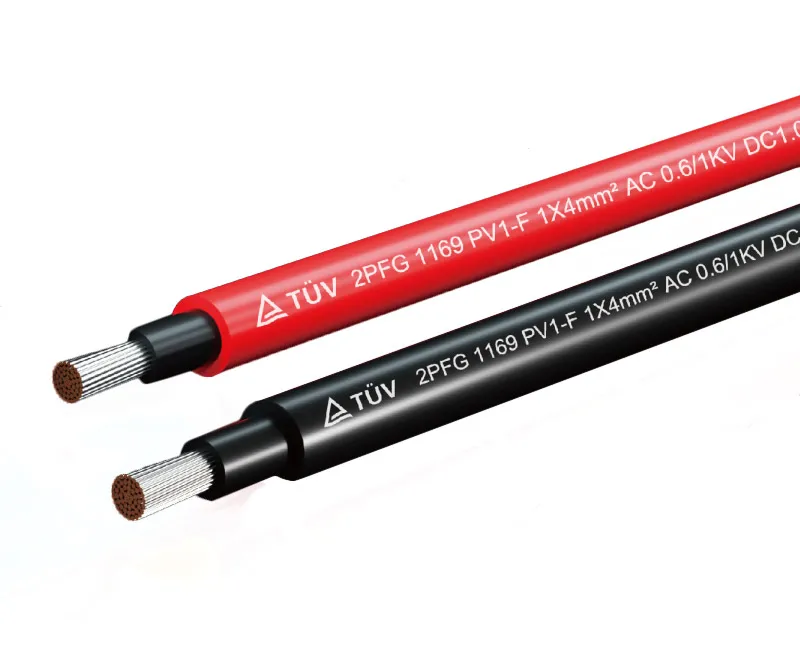
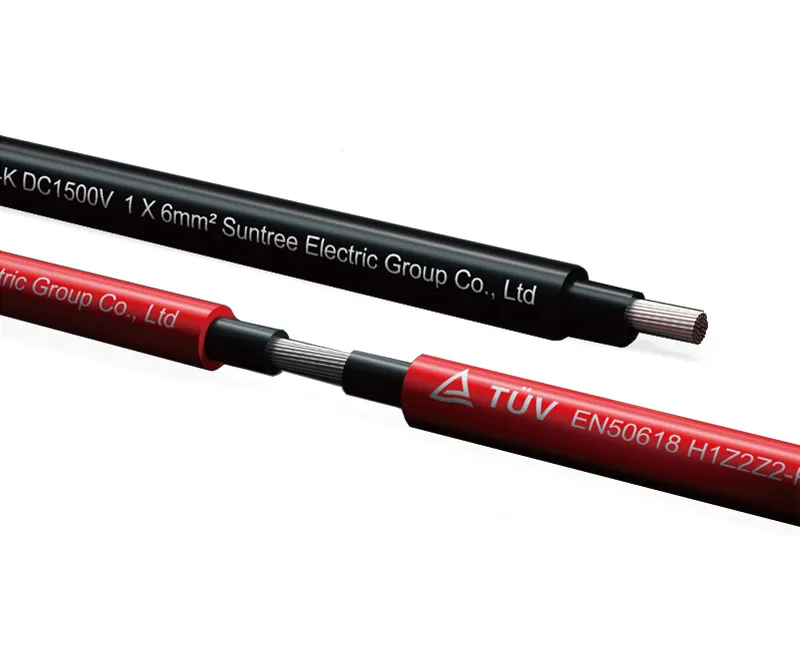
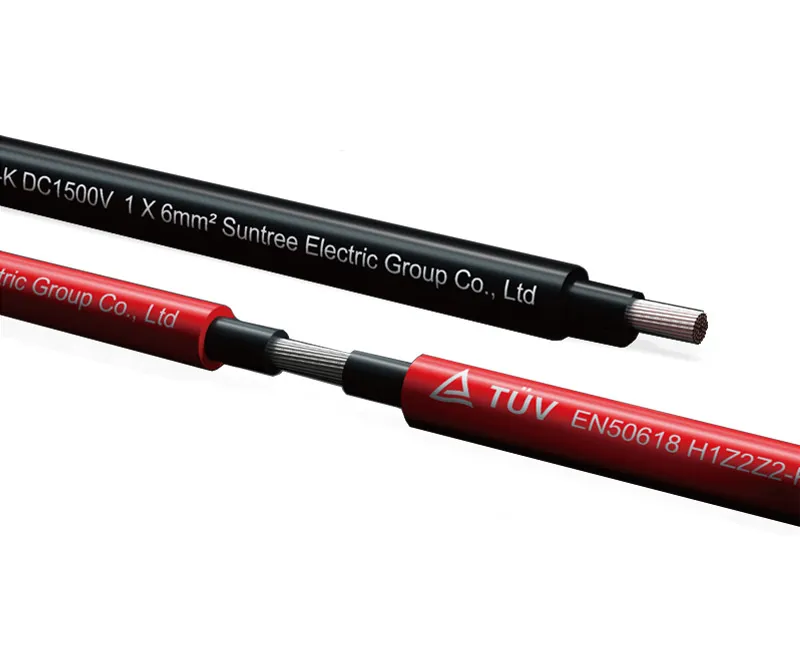
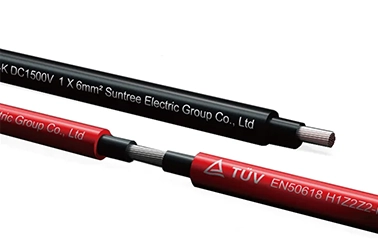
You're specifying cable for a solar installation, and the array is expected to operate for decades. The cable runs across rooftops, through conduits, and along ground-mount racks — exposed to UV, ozone, moisture, and temperature swings. A Solar Wire / Cable that degrades in five years becomes a maintenance nightmare. The TUV Single Core Solar Cable EN50618/EC62930 is designed for a 25-year service life with a halogen-free, cross-linked insulation system that resists the outdoor environment. This article explains what drives cable longevity, how the EN50618 standard defines performance, and what to verify before specifying a cable for your PV project.
What Causes Solar Cable to Degrade?
Solar cables fail for predictable reasons: UV exposure, ozone attack, moisture ingress, and thermal stress. Standard PVC or rubber cables break down under constant sunlight, becoming brittle and cracking. Moisture penetrates the insulation, corroding the conductor and increasing resistance. Temperature cycling expands and contracts the materials, creating stress points at connections. The EN50618 standard addresses each of these failure modes. The cable is rated for -40°C to +90°C ambient temperature and a maximum conductor temperature of 120°C. The insulation and sheath are made from 125°C irradiation cross-linked polyolefin — a material that resists UV, ozone, and hydrolysis far better than standard thermoplastics. The expected service life is 25 years.
UV and Ozone Resistance for Outdoor Exposure**
The cable is tested to EN 50289-4-17 and EN ISO 4892 for weather and UV resistance. Unlike standard cables that degrade within a few years of sun exposure, the cross-linked polyolefin maintains its mechanical and electrical properties over decades of outdoor service.
Moisture and Hydrolysis Protection**
Moisture is the enemy of electrical insulation. The cable is hydrolysis-resistant, meaning it doesn't absorb water or break down when exposed to humidity and condensation. This keeps insulation resistance stable at 0.86 mΩ/km (for 1.5mm²) even at 90°C conductor temperature.
How Does EN50618 Define Solar Cable Performance?
EN50618 is the European standard for low-smoke halogen-free, flexible, single-core power cables with cross-linked insulation and sheath, specifically for use on the DC side of photovoltaic systems. The standard defines the cable's rated voltage, test voltage, temperature limits, and fire performance. The TUV Single Core Solar Cable is rated at U0/U 1.0/1.0KV (AC) and 1500V (DC). The test voltage is AC 6.5KV for 5 minutes or DC 15KV for 5 minutes without breakdown. Fire resistance meets EN 60332-1-2, and halogen content meets EN 50525. The cable carries ROHS and TUV certifications.
Rated Voltage and Test Voltage**
The 1500V DC rating covers modern solar arrays operating at higher voltages to reduce current and cable losses. The test voltage — 6.5KV AC or 15KV DC for 5 minutes — verifies that the insulation can withstand transient overvoltages and switching surges without failing.
Fire Performance and Halogen-Free Construction**
The cable is halogen-free, meaning it produces low smoke and no corrosive halogen gases if exposed to fire. Fire resistance to EN 60332-1-2 ensures the cable doesn't propagate flame along its length. These properties are critical for rooftop installations where fire safety is a major concern.
Technical Specifications for Solar DC Cables
| Parameter | H1Z2Z2-K Specifications |
|---|---|
| Rated Voltage | U0/U 1.0/1.0KV (AC) / 1500V (DC) |
| Test Voltage | AC 6.5KV/5min or DC 15KV/5min |
| Ambient Temperature | -40°C ~ +90°C |
| Conductor Max Temperature | 120°C |
| Expected Service Life | 25 years |
| Bending Radius | ≥4D |
| Fire Resistance | EN 60332-1-2 |
| Weather/UV Resistance | EN 50289-4-17 / EN ISO 4892 |
| Halogen Determination | EN 50525 |
| Salt Mist Emission | IEC 61034 |
| Compliance | ROHS, TUV |
| Standards | EN 50218:2014 / IEC 60930:2017 |
| Conductor | Type 5 tinned copper flexible conductor |
| Insulation | 125°C irradiation cross-linked LSZH polyolefin |
| Sheath | 125°C irradiation cross-linked LSZH polyolefin |
| Color | Red or black |
Conductor Sizes and Current Ratings**
The cable is available in conductor sizes from 1.5mm² to 50mm² single-core, and 2×1.5mm² to 2×10mm² twin-core. Current capacity ranges from 30A (1.5mm²) to 276A (50mm²) depending on installation conditions. The full range covers everything from small residential strings to utility-scale feeders.
Tinned Copper Conductor for Corrosion Resistance**
The conductor is a Type 5 tinned copper flexible conductor. Tinning protects the copper from oxidation and corrosion, extending the conductor's service life in damp or coastal environments. The flexible construction simplifies routing through tight spaces and around obstructions.
Where Does Solar DC Cable Deliver the Most Value?
The cable is designed for the DC side of photovoltaic systems, with a nominal DC voltage of 1.5kV between conductors and between conductor and earth. It is suitable for use with secondary equipment, and the low-smoke halogen-free construction makes it suitable for indoor and outdoor installations where fire safety and air quality matter.
-
Residential rooftop solar — connecting panels to string inverters and combiner boxes
-
Commercial and industrial PV — larger arrays with higher current requirements
-
Utility-scale solar farms — long DC runs between strings and inverters
-
Floating solar installations — cables exposed to constant moisture and UV
-
Coastal and marine PV — salt mist resistance for offshore or near-shore arrays
-
Building-integrated PV — halogen-free construction for occupied buildings
Residential and Commercial Solar Installations**
Rooftop installations expose cable to UV, rain, and temperature swings. The 25-year service life and UV resistance match the expected life of the panels themselves, reducing the need for cable replacement during the system's operational life.
Utility-Scale and Floating Solar Projects**
Utility-scale projects require long cable runs and reliable performance over decades. The 1500V DC rating reduces current and cable losses. Floating solar installations benefit from the hydrolysis resistance and salt mist protection.
Answers to Common Questions About Solar Cable Selection
What is the difference between H1Z2Z2-K and standard PV cable?**
H1Z2Z2-K is the designation for a specific type of solar cable that meets EN50618 requirements. It has a rated voltage of 1.0/1.0kV AC and 1.5kV DC, a maximum conductor temperature of 120°C, and a 25-year expected service life. Standard PV cables may not meet all of these requirements.
Can the cable be used in coastal installations?**
Yes. The cable is tested for salt mist emission per IEC 61034 and has a tinned copper conductor that resists corrosion. The halogen-free sheath is also resistant to moisture and hydrolysis, making it suitable for coastal and marine-adjacent installations.
What is the maximum current capacity of the cable?**
The current capacity depends on the conductor size and installation conditions. For a 1.5mm² conductor laid in air at 30°C ambient, the capacity is 30A. For a 50mm² conductor, the capacity is 276A. A conversion factor table is available for different ambient temperatures.
What maintenance does the cable require?**
Solar DC cable requires no routine maintenance. The cross-linked polyolefin insulation and sheath are designed to resist UV, ozone, and moisture without degrading. Visual inspection during scheduled maintenance is sufficient to confirm that the cable is not damaged.
Request a Solar Cable Configuration for Your PV Project
A Solar Wire / Cable with TUV certification, 1500V DC rating, and a 25-year service life is the practical choice for photovoltaic installations that need reliable, long-term power transmission. The TUV Single Core Solar Cable EN50618/EC62930 from SUNTREE delivers 1.5-50mm² conductor range, 1500V DC rated voltage, -40°C to +90°C operating temperature, halogen-free construction, and compliance with EN50618, IEC 62930, and ROHS.
Whether you're installing residential rooftop solar, commercial arrays, or utility-scale solar farms, this cable offers the durability and electrical performance that modern PV systems demand. With a tinned copper conductor and cross-linked insulation, it maintains performance across decades of outdoor exposure.
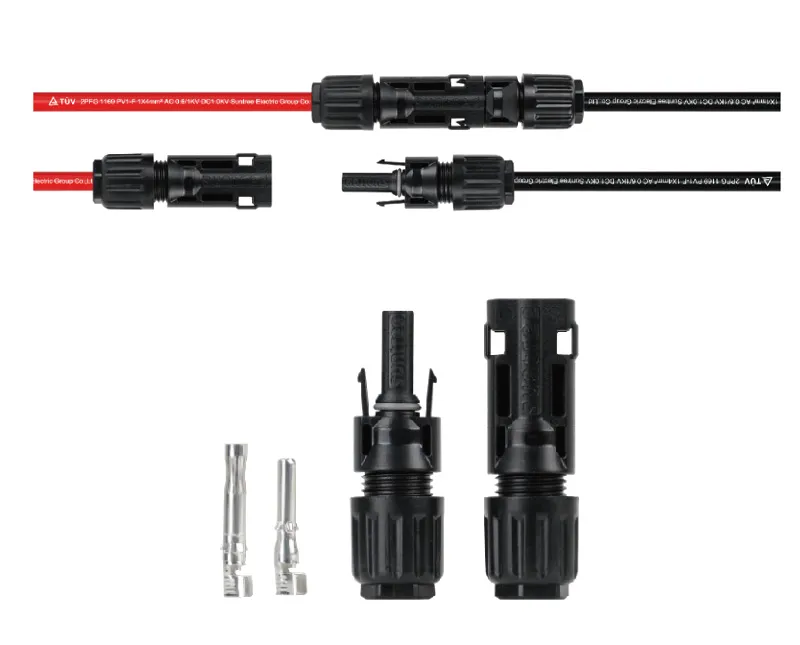
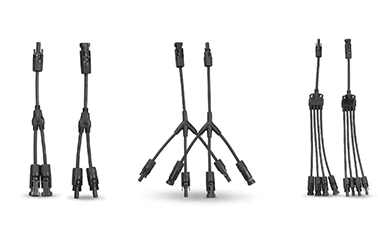
Contact SUNTREE for a solar cable configuration assessment → their team can help you select the right conductor size, insulation type, and connector compatibility for your specific array layout and environmental conditions. Get a Solar Wire / Cable that lasts as long as your panels — so your investment performs for decades.
-0943.webp)