 English
 Deutsch
 Pусский
 Español
 Français
 Português
What Makes a Solar Wire Last 25 Years on a Rooftop?


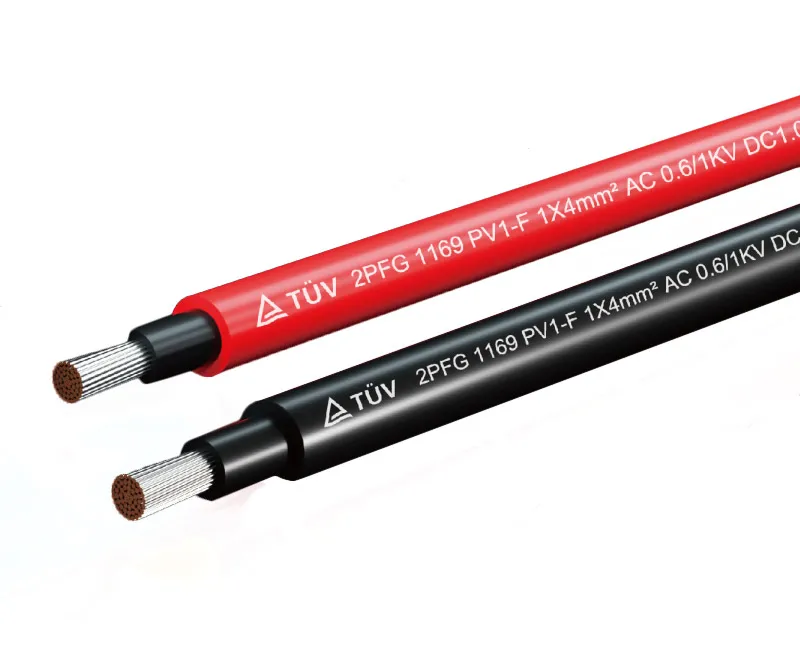
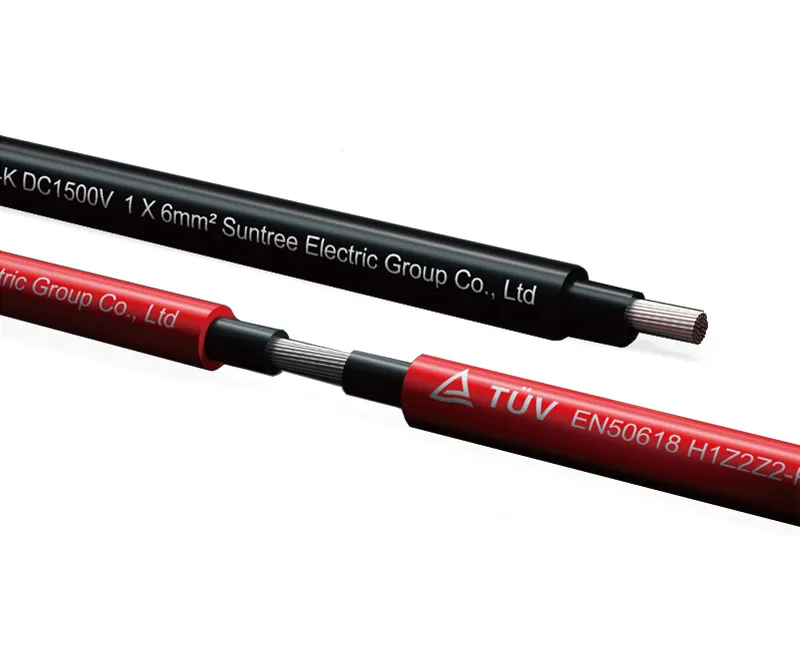
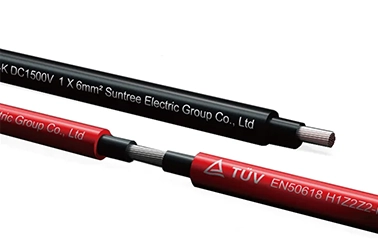
Walk past any solar installation – residential rooftop, ground‑mount farm, or carport. You’ll see cables running from panel to panel, often exposed to full sun, rain, snow, and temperature swings from -40°C to +90°C. Ordinary wires would crack, chalk, or conduct poorly within a few years. But a purpose‑built solar wire is engineered for decades of outdoor abuse. This guide explains the key characteristics that separate a 25‑year solar cable from a standard wire: UV resistance, ozone resistance, hydrolysis resistance, thermal stability, and environmental safety. You’ll also learn how one manufacturer with nearly 20 years of experience ensures these properties through material selection and rigorous testing.
Five Characteristics That Define a True Solar Cable
A general‑purpose wire won’t survive on a rooftop. Here’s what a solar wire must have.
UV resistance – fighting the sun’s degradation
Ultraviolet radiation breaks down polymer chains. Without UV stabilizers, insulation becomes chalky and cracks. A solar wire uses carbon‑black or specialized additives to block UV. SUNTREE’s cables are tested to withstand 25+ years of direct sunlight. The accelerated UV testing follows IEC 60811‑508, exposing cables to 1000 hours of UV radiation while monitoring elongation at break.
Ozone resistance – protecting against electrical stress
Ozone forms from corona discharges on high‑voltage cables. It attacks rubber and many plastics, especially at the surface of the insulation. Solar wire compounds are formulated to resist ozone cracking, ensuring long‑term insulation integrity. SUNTREE’s ozone testing follows IEC 60811‑403, exposing cables to 200 ppm ozone for 72 hours – no cracking allowed.
Hydrolysis resistance – surviving moisture and humidity
Rain, dew, and humid air can degrade certain polymers through hydrolysis – a chemical reaction that breaks molecular bonds. A true solar wire uses hydrolysis‑resistant cross‑linked polyethylene (XLPE) or similar materials. This is especially important for floating solar installations or high‑humidity coastal areas.
Thermal stability – handling extreme temperatures
Rooftops can reach 90°C in summer and drop below -40°C in winter. Solar wire insulation must stay flexible in the cold and not soften in the heat. SUNTREE’s cables maintain performance across this full range. The conductor is finely stranded copper to remain flexible even at low temperatures.
Long service life – 25+ years
A solar installation is a 25‑ to 30‑year asset. The wire must last that long without replacement. SUNTREE’s cables are designed and tested for a service life exceeding 25 years, with thermal endurance rating of 120°C (continuous) and 250°C (short circuit). The insulation system is rated for 20,000 hours at 120°C to simulate long‑term aging.
A solar wire with these five characteristics will not become a maintenance headache.
Sizing and Applications – Matching the Wire to the Job
SUNTREE offers solar wires in a wide range of sizes to meet different system requirements. Using the correct size reduces voltage drop and prevents overheating.
Common sizes for residential PV
4mm² (approx 12 AWG) and 6mm² (10 AWG) are standard for panel‑to‑panel connections in home rooftop systems. These sizes handle typical string currents up to 30‑40A. For a typical 4kW system with 10 panels, 4mm² is usually sufficient for runs under 20 meters.
Larger sizes for commercial and utility
For longer strings and higher currents, SUNTREE provides 10mm², 16mm², and up to 35mm². These reduce voltage drop over long distances – critical for ground‑mount farms where strings may run hundreds of meters. Voltage drop should be kept below 2% to avoid power loss.
Flexible vs. single‑core
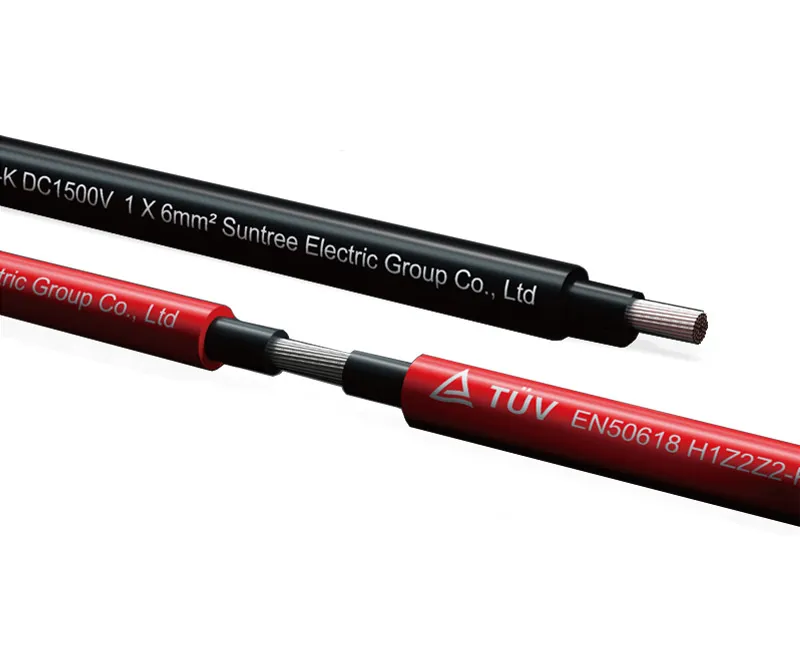
Solar wire is typically single‑core, finely stranded copper for flexibility during installation. The stranding reduces bending radius, making it easier to route around racking. Class 5 stranding (IEC 60228) offers the best flexibility for installation.
A solar wire (fourth mention) that is properly sized for current and length minimizes resistive losses and ensures safe operation.
Why Halogen‑Free, Low‑Smoke Materials Matter
Environmental safety is not just a marketing point – it’s a regulatory and life‑safety requirement.
What “halogen‑free” means
Traditional wire insulation (PVC) contains chlorine. When burned, it releases toxic hydrogen chloride gas and dense smoke. Halogen‑free materials (LSHF or LSZH) emit very little smoke and no corrosive gases. In a rooftop fire or building fire, this can save lives. SUNTREE’s solar wires use a halogen‑free thermoplastic or cross‑linked compound meeting IEC 60754‑2.
Low‑smoke benefits for building‑integrated PV
For solar installations on commercial buildings, fire codes increasingly require low‑smoke, halogen‑free cables. SUNTREE’s solar wires meet these standards, with smoke density tested per IEC 61034 – less than 60% light transmittance loss.
Environmental compliance
SUNTREE’s solar wires are RoHS compliant, limiting lead, cadmium, and other hazardous substances. They also meet REACH requirements for SVHC (substances of very high concern). This matters for projects seeking LEED or BREEAM certification.
Testing and Certification – Proof of Performance
Claims of 25‑year life are meaningless without testing. The table below summarizes key tests and pass criteria.
| Test type | What it simulates | Pass criterion |
|---|---|---|
| UV aging | 20+ years of sunlight | No cracking, ≤50% loss of elongation at break |
| Thermal cycling | -40°C to +90°C cycles | Insulation integrity, no cracking after 200 cycles |
| Damp heat | 85°C / 85% RH for 1000h | Volume resistivity ≥10¹² Ω·cm |
| Ozone resistance | 200 ppm ozone, 72h | No surface cracks under 20% strain |
| Halogen content | EN 60754 | pH ≥4.3, conductivity ≤10 µS/mm |
| Cold bend | -40°C for 16h | No cracking when wound around mandrel |
SUNTREE’s solar wires are tested to these standards, ensuring the 25‑year service life claim is backed by data. Test reports are available for each production batch.
Installation Best Practices – Avoiding Common Failures
Even the best solar wire fails if installed incorrectly. Here are field‑proven guidelines.
Avoid sharp bends
Minimum bending radius is typically 5× cable diameter for fixed installation, 8× for flexing applications. Tighter bends can kink the conductor or crack insulation. Use proper bending tools.
Use proper connectors
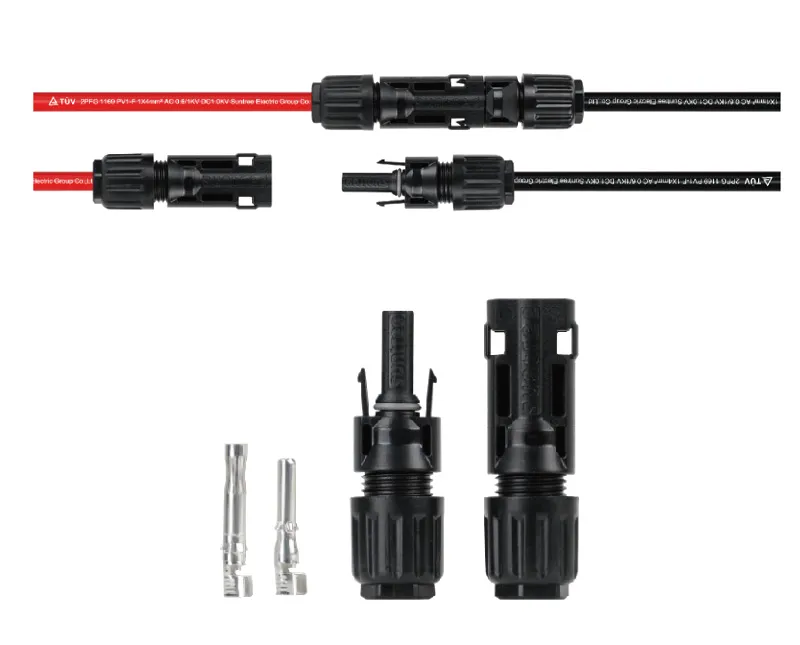
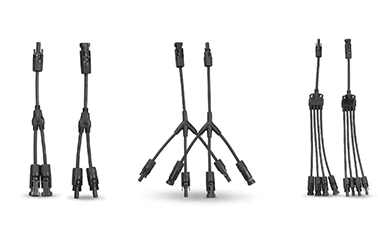
Solar wire must be terminated with certified solar connectors (e.g., MC4 or compatible). Do not use electrical tape or non‑rated connectors. The connector’s contact barrel must be crimped with the correct tool for the wire gauge.
Protect from mechanical damage
Where cables cross edges of racking, use grommets or conduit to prevent abrasion. Cable clips should be UV‑stabilized and sized to hold the cable without crushing.
Leave slack for thermal expansion
Cables expand and contract with temperature. Leave a slight drip loop or slack to prevent tension. For long runs, use cable trays with adequate expansion joints.
Label and document
Mark each string with a durable, UV‑resistant tag. Document routing and connections for future maintenance. This is critical for large commercial systems.
Why Choose SUNTREE for Solar Wire
With nearly 20 years of experience, SUNTREE provides proven, risk‑optimized cable solutions for complex operating conditions.
-
50+ R&D engineers covering all key technical areas (electrical, material, mechanical)
-
500+ project database covering extreme environments worldwide – from deserts to arctic sites
-
Full‑process quality control – from raw material screening to finished product testing
-
Halogen‑free, low‑smoke materials – safer for people and the environment
-
Digital traceability – every batch tracked from supplier to installation, with test reports accessible by lot number
SUNTREE’s solar wires are used by major EPC contractors, system integrators, and utility owners across Asia, Europe, and the Americas.
Request a Sample or Quote
You don’t need to commit to a full reel to test quality. SUNTREE can send a sample of their solar wire in the size you specify. Flex it, strip it, and leave a piece on your rooftop for a month. Then decide. For larger projects, ask for a bulk quote with per‑meter pricing and delivery lead times.
A solar wire that resists UV, ozone, hydrolysis, and temperature extremes – and is backed by 25+ year life testing – is the only sensible choice for long‑term PV systems.
-0943.webp)